

The Autonomous Body
On how freedom depends on attunement

To be alive is to stay in rhythm with what sustains us.
Every living thing, from cell to consciousness, keeps its form not by standing apart, but by moving with — sensing, exchanging, adjusting.
Autonomy, in its deepest sense, is this art of staying open without coming undone.
Biology: Form through Flow
A living cell is a paradox of independence and dependence. It draws in matter, releases energy, and yet keeps its boundary intact.
Maturana and Varela called this autopoiesis: the self that continually makes itself through exchange.
A cell that stops exchanging dies. A body that stops listening hardens.
Freedom begins here: in the pulse of self-renewal that depends on the world’s return.
Each breath is a negotiation: inside meets outside, oxygen becomes blood, and form holds through flow.
Autonomy, at this level, is not a wall but a membrane, a porous intelligence that knows when to open, and when to close.
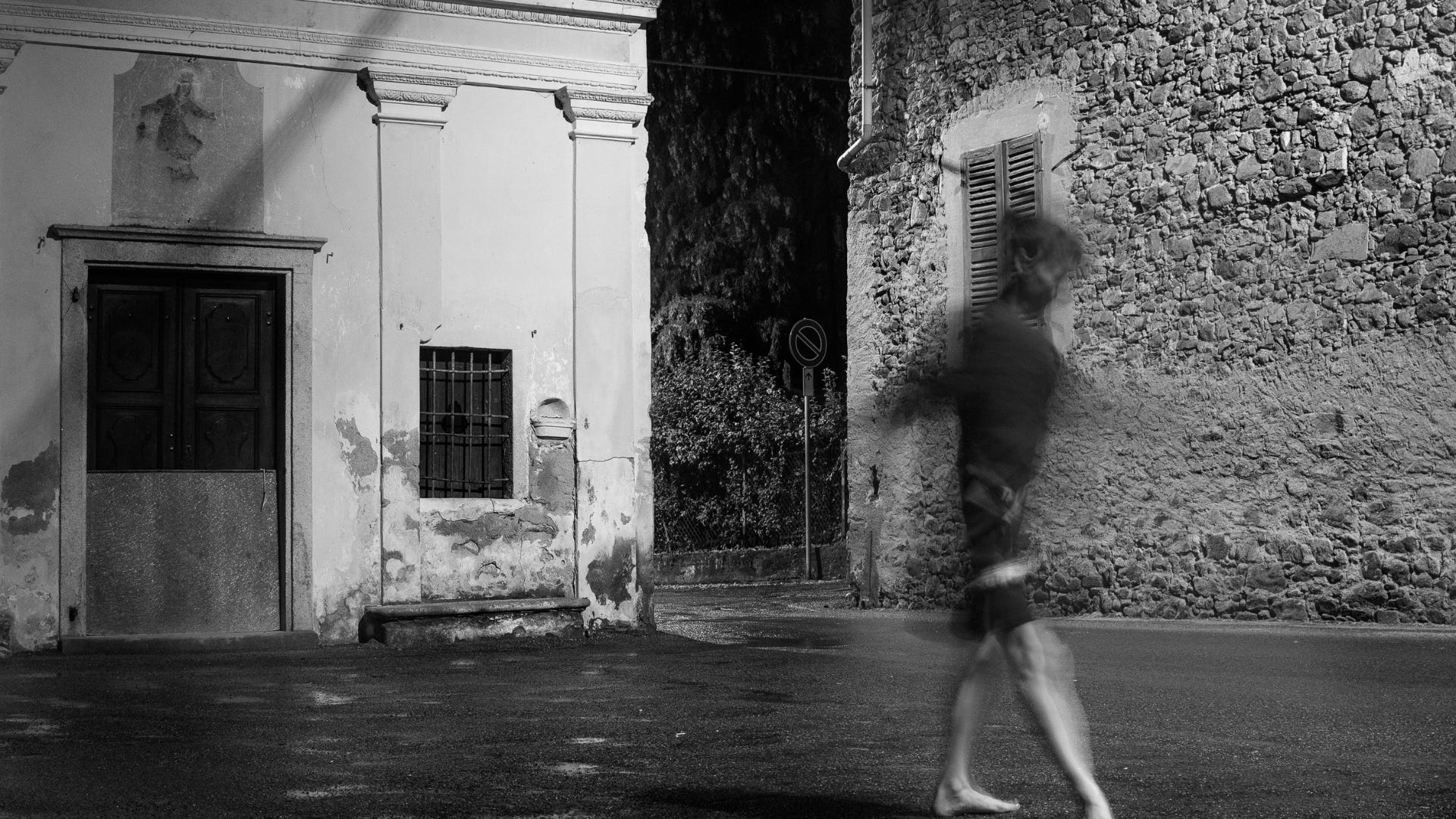
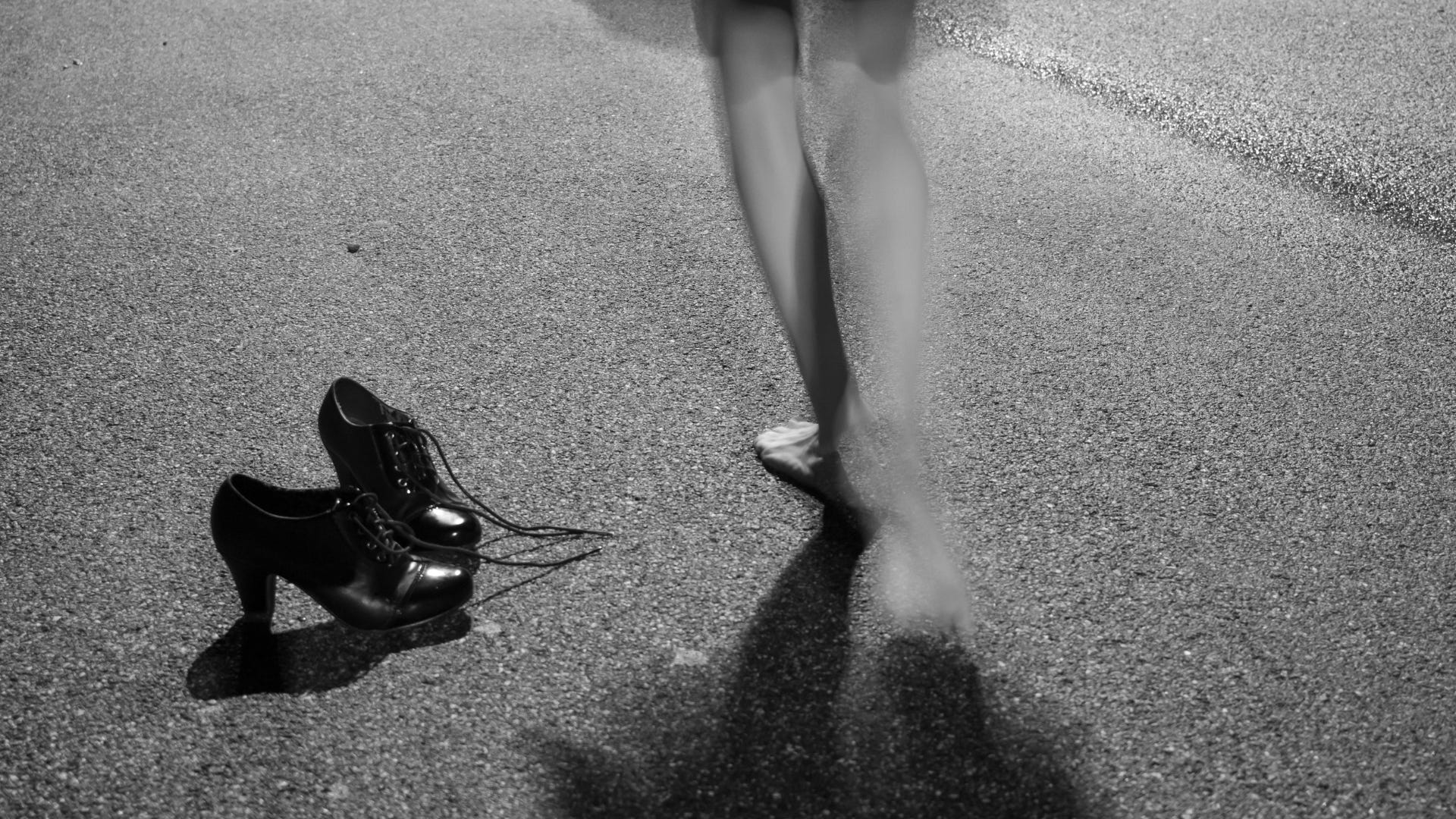
A barefoot step on the earth would say the same: autonomy begins where contact is restored.
Mind: Prediction as Poise
The same rhythm animates the mind. Our brains do not wait for the world to appear — they anticipate it. They cast forward predictions, of sight, sound, touch, and adjust them as the world replies.
To think, then, is to feel ahead, to test the world gently until it reveals itself.
This is active inference: the mind as a living hypothesis, testing itself against experience.
In this predictive dance, freedom lies in flexibility, in the ability to refine one’s expectations when the world surprises us.
Rigidity suffocates. Randomness disorients. But in that precise equilibrium between sensing and shaping, we find the poise of agency: the capacity to move with meaning rather than merely react.
Every act of perception is a small act of freedom. We see not what is, but what we can behold.
What stops us from beholding? Not blindness, but disconnection.
When the body tightens in defense, the world narrows.
When the mind clings to what it expects, surprise can't enter.
When relation turns to control, listening fades.

Beholding begins when attunement returns,
when breath steadies,
when curiosity softens certainty,
when the world is allowed to speak back.
Relation: Freedom as Co-Regulation
From the start, our autonomy is learned through others. An infant cannot yet steady its heartbeat or quiet its own distress.
But a mother’s warmth, a father’s voice, a caregiver’s heartbeat, these regulate the infant's physiology more effectively than the infant could alone.
Even as adults, we tune ourselves through others — in conversation, in collaboration, in love. Our gestures mirror, our heart rates sync, our neural rhythms align.
Autonomy, then, is not solitary mastery but skilled participation.
We hold our shape through relation, porous yet poised, yielding yet distinct.
Freedom grows in the space between connection and coherence: not losing ourselves to others, not withdrawing from them, but moving with them in resonant balance.
Freedom as Attunement: A Dance of Constraints
To be autonomous is not to escape constraint, but to compose with it.
Like a dancer using gravity to find grace, we move freely only by learning to meet the forces that hold us.
Too much structure, and the dance stiffens. Too little, and we fall apart.
Even in art, this truth holds. A director frames a shot not to confine the world, but to make motion meaningful. The frame limits what we see, and through that limit, creates coherence.
Freedom lives in this same art of framing: choosing the constraints that keep our movements aligned with what sustains us.
Freedom isn’t a fixed direction. It’s the quiet practice of reorienting, again and again, toward what keeps us alive. We move within our architecture, of habits, of history, leaving traces of motion that blur, but never vanish.
In science, autonomy is the brain’s way of minimizing surprise.
In art, it is the filmmaker’s way of shaping motion.
In life, it is the human way of staying in tune with what matters.
We are most free not when we stand apart, but when we move in rhythm with the forces that keep us breathing, sensing, becoming.
Coda: From Intimacy to Ecology
Each essay in this series has traced a widening circle of embodiment.
The Resonant Body began with vibration: how meaning hums through us before it’s understood, how every perception is already a form of participation.
The Loving Body deepened that vibration into tenderness: the physics of care that binds one being to another.
The Social Body expanded that tenderness into resonance: the shared pulse that lets communities survive together.
Now The Autonomous Body gathers those resonances inward, showing that true freedom is not isolation, but attunement: the skill of keeping form through flow, of staying open without losing shape.
Yet every body is nested within larger bodies: the biosphere that breathes us, the planet that steadies our orbit. If autonomy depends on attunement, then our next horizon must be the world itself — how human freedom entwines with the living systems that sustain it.
Coming next: The Planetary Body on how coherence becomes care, and how the pulse of one life meets the rhythm of all.
Sources
Maturana, H. R., & Varela, F. J. (1980). Autopoiesis and Cognition: The Realization of the Living. Springer. Book page
Parr, T., Pezzulo, G., & Friston, K. J. (2022). Active Inference: The Free Energy Principle in Mind, Brain, and Behavior. MIT Press. Open-access PDF
Bornstein, M. H., & Esposito, G. (2023). Coregulation: A Multilevel Approach via Biology and Behavior. Developmental Review. Open access (PMC)
Hari, R., Henriksson, L., Malinen, S., & Parkkonen, L. (2015). Centrality of Social Interaction in Human Brain Function. Neuron, 88(1), 181–193. PubMed
Vygotsky, L. S. (1978). Mind in Society: The Development of Higher Psychological Processes. Harvard University Press. Publisher page • Scholarly PDF (course scan)
Di Paolo, E. A., Buhrmann, T., & Barandiaran, X. (2017). Sensorimotor Life: An Enactive Proposal. Oxford University Press. OUP page
Johnson, M. (2008). What Makes a Body? Journal of Speculative Philosophy, 22(3), 159–169. JSTOR